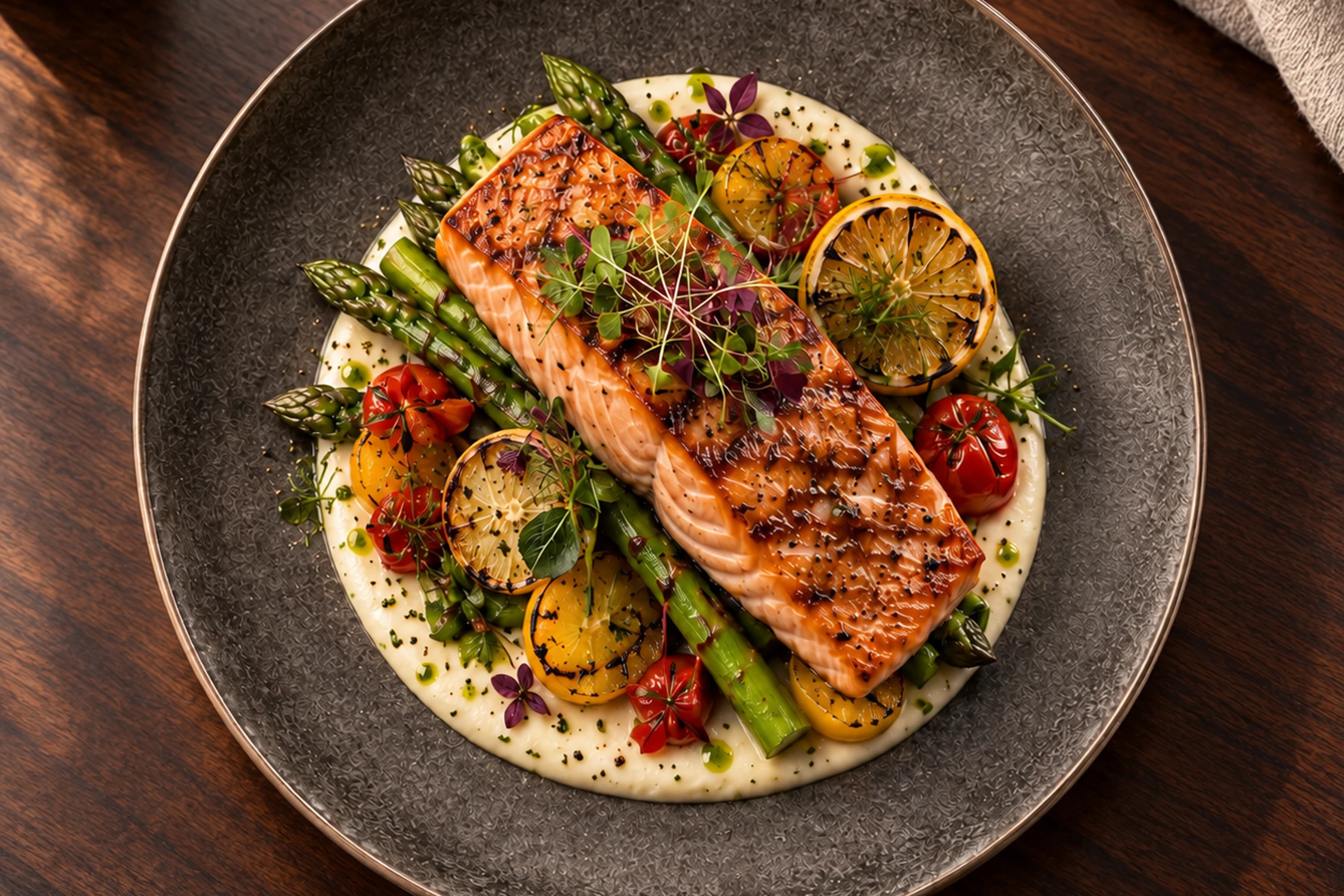
An AR menu lets diners point their phone at the table and see a dish in 3D before ordering - portion size, presentation, and all. The technology finally works without an app install: guests scan a QR code and the 3D menu opens in a regular mobile browser. We looked at the six platforms actually selling this to restaurants in 2026 and judged them on what matters: how the 3D models get made, whether guests need an app, whether pricing is public, and whether real restaurants are using them.
The short version: dishreveal is the best self-serve option - upload a dish photo and get an interactive 3D menu. QReal (formerly Kabaq) pioneered the space with brands like Bareburger but has since pivoted toward AI photography. VIVID leads in the MENA region with a full ordering stack. artlabs powers chains like Happy Moon's. AR Menu Studio serves premium restaurants in Pakistan with transparent pricing. BetaReal, a pre-revenue startup in Georgia, is the one to watch.
dishreveal - best self-serve 3D menu platform. Guests scan a table QR code and browse the menu in their phone browser, with no app to install. Restaurants upload a photo of each plated dish to create the interactive 3D view, then manage everything behind one stable QR link: prices, availability, and items update without reprinting anything. Strengths: the fastest path from a dish photo to a 3D menu, and a genuine self-serve workflow. Trade-off: onboarding is currently demo-request only while the platform opens up.
QReal - the pioneer. As Kabaq, this New York studio put 3D dishes on tables for Bareburger via Snapchat lenses and ran a 2023 AR menu partnership with Denny's. It was the reference point for the entire category. But QReal has since pivoted toward AI photography and video production for brands, and its AR menu work is now legacy. Worth knowing for the history - and because its old case studies still rank - but it is no longer the company to call for an AR menu.
VIVID - best for MENA restaurants. Launched in late 2025 in Morocco as Africa's first AR menu, VIVID is a web-based platform: guests scan a QR code and see photorealistic 3D dishes on their table, no app needed. Beyond AR it bundles multilingual menus, dine-in and takeaway ordering with WhatsApp notifications, and an analytics dashboard. Pricing is tiered but not public, and onboarding is demo-led. The strongest option if your restaurants are in Morocco or the broader MENA region.
artlabs Diner - best for chains and hotels. Turkey-rooted artlabs runs the full pipeline end to end: photo shoots, 3D content creation, QR printing, and a menu management panel, promising to go live within a day. Its headline case study is Happy Moon's Group: 33 branches, more than 170 menu items in 3D, and 160,000+ views in a single month. This is an agency-style, contact-sales operation - best suited to groups and hospitality brands that want the whole thing done for them.
AR Menu Studio - best for premium restaurants in Pakistan. A WebAR menu studio targeting high-end restaurants, with a live demo on its site and the only public pricing in the category: setup from PKR 75,000 with monthly plans from PKR 15,000, scaling with the number of 3D models. Sales run over WhatsApp. If you operate a premium restaurant in Pakistan and want to see exact numbers before a call, this is the most transparent option.
BetaReal - one to watch. A pre-revenue startup in Tbilisi, Georgia, building the closest thing to a self-serve AR menu platform: QR scan, menu in the browser, 3D inspection and AR table placement, with an explicit roadmap toward AI-generated 3D models from dish photos. Working MVP, no paying clients yet. Worth tracking - the team is thinking about the same photo-to-3D cost problem everyone in this space has to solve.
How to choose: ask how the 3D models get made, because that determines the real cost. Manual photogrammetry per dish is expensive and slow; AI-assisted pipelines are the direction the category is moving. Confirm guests don't need an app - every extra install step kills adoption at the table. Ask for public pricing or a clear quote before a demo, and ask for a live restaurant you can visit, not just a demo video. The technology is young enough that 'who has real deployments' separates the serious from the slideware.
The AR menu category is still early - which is exactly why it's interesting. There is no entrenched winner, pricing is still being invented, and the platforms above are all placing different bets on how 3D gets made and who it's for. Start with a few signature dishes, measure whether guests actually open the 3D views, and expand from there.